
Design Researcher & Planner (prev. Leather Goods Designer), MCM.
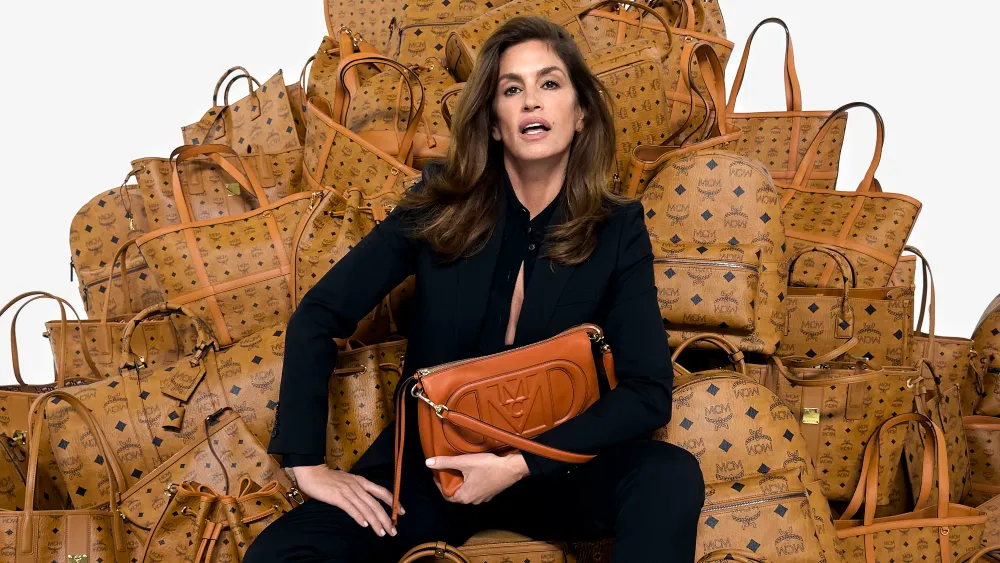
MCM is a global luxury house with 700+ stores across 42 countries, founded in Munich in 1976. I worked at what was then the brand's main design studio in Seoul.I joined as a unisex accessories designer, then moved into a strategy role with the Creative Director, shaping the creative direction the design department worked from, colour, theme, and graphics, reading where collections were headed before the market got there. I also represented the studio at global design reviews in Milan.
Reading culture
Fashion often ships a year or more after the decisions that shape it. So the real work isn't designing for now. It's reading what people are feeling before they can name it and getting there first.
I built seasonal trend reports from sources such as: global forecasts, on-site research across trend districts, and street interviews with emerging consumer groups, hearing their values directly.
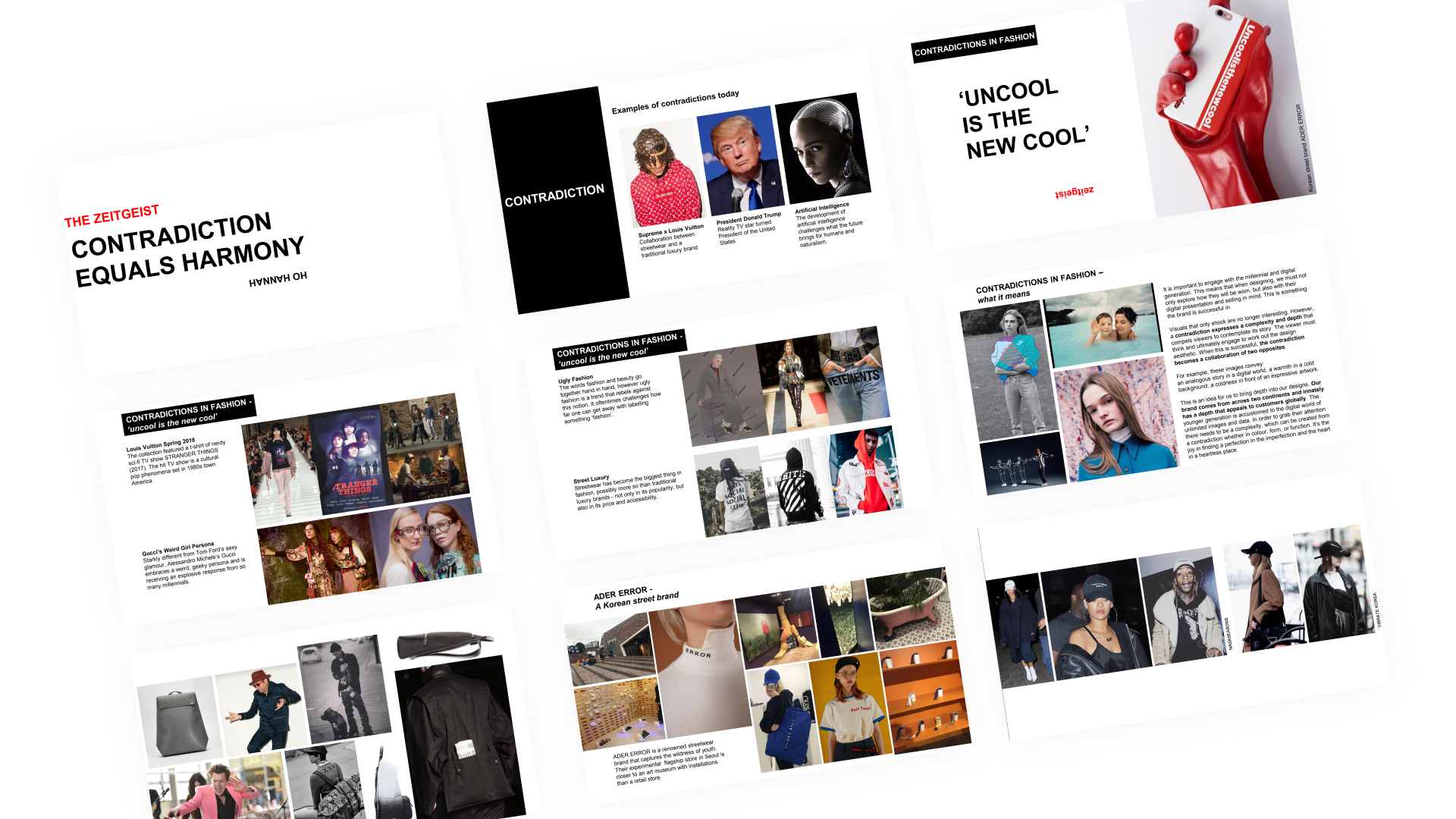
The contradiction I kept seeing
The signal I kept returning to: people were drawn to contradiction. Tough and soft, high and low, refined and raw. One report I built argued that "uncool is the new cool," that the energy in fashion was moving from polished luxury toward streetwear, and that the two weren't colliding so much as becoming one conversation.
For a heritage house, that pointed somewhere specific: streetwear was about to transform luxury, not threaten it.
What it produced
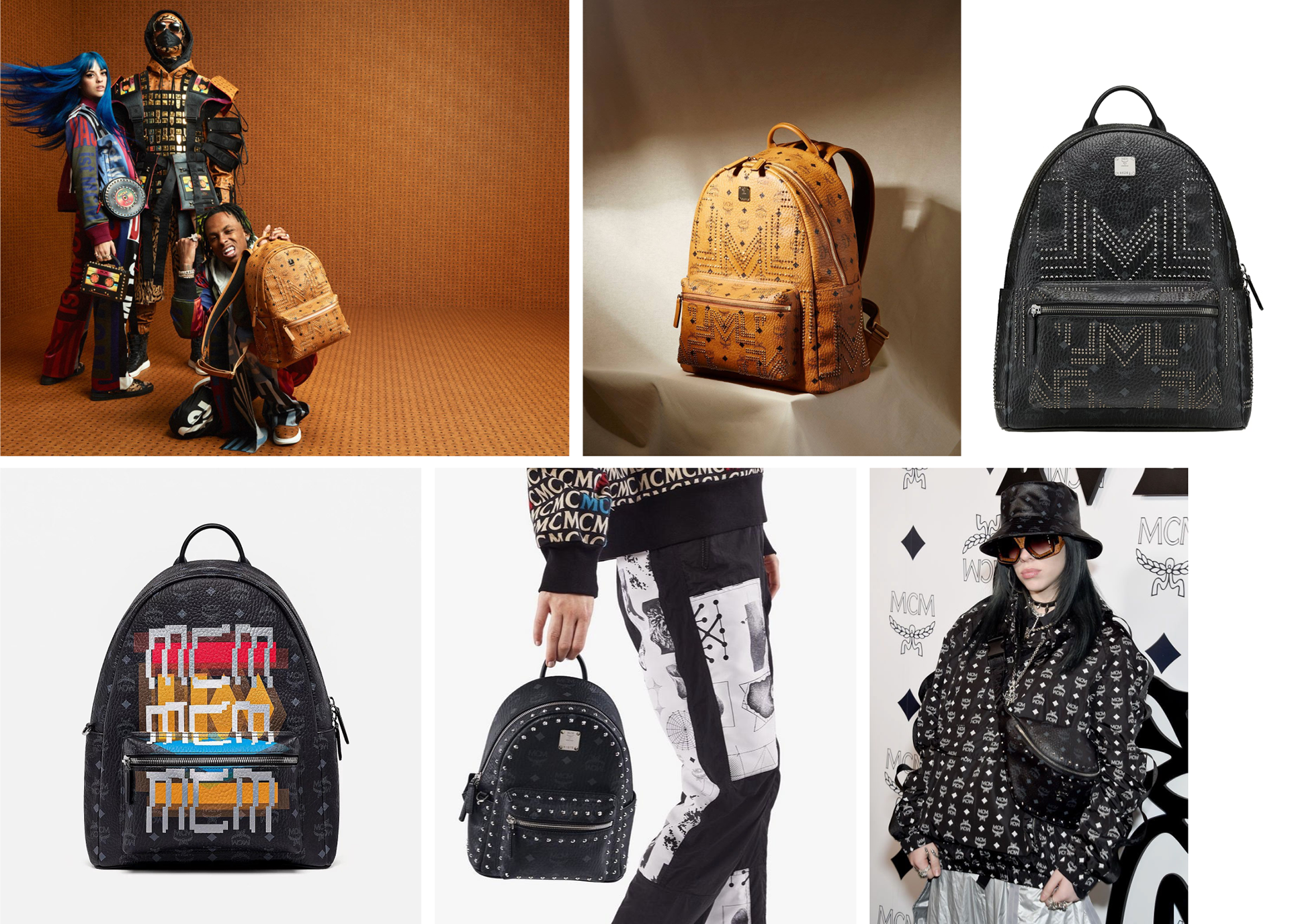
That reading shaped the collection plans, the colour, theme, and graphic direction the design department built from. You can see it in the work that followed: monogram reimagined through a streetwear lens, studded and graphic and loud, made for a younger, bolder customer than traditional luxury usually courts.
Across my time at MCM, I also designed and launched 50+ SKUs across bags, belts, scarves, and straps, including a line that drove $2.4M in US pre-orders. The shift showed up in who carried the brand too, from Rich the Kid to a belt bag Billie Eilish wore.
A few of my pieces that shipped:
The tension worth designing in
Designing for a heritage brand is a constant negotiation: respect the house codes, still make something new. The most interesting work lives in that tension. And the core skill, reading what people want before they can articulate it, is the one I've carried into every brief since.